

The area occupied by the Forest-park is an area of distribution of mixed stands of autochthonous (native) and allochthonous (foreign) tree species. The autochthonous vegetation of the wider area along the Drava River consists of lowland floodplain forests, the formation and development of which is conditioned by the constant presence of large quantities of water in the soil.
The shrub layer is well developed with the presence of mesophilic and hydrophilic species such as hazel (Corylus avellana), dogwood (Cornus sanquinea), wattle willow (Salix purpurea), basket willow (Salix viminalis), viburnum (Viburnum opulus), common bramble (Evonymus latifolia), spurge (Rubus caesius), hawthorn (Crataegus sp), privet (Ligustrum vulgare), sloe (Prunus padus), elder (Sambucus nigra), blueberry (Rubus caesius) and vines such as grapevine (Vitis sylvestris), hops (Humulus lupulus), climbers such as Clematis vitalba, etc.
The predominant tree species are hygrophilous species that cannot meet their water needs from precipitation, but require additional groundwater and floodwater during the growing season.
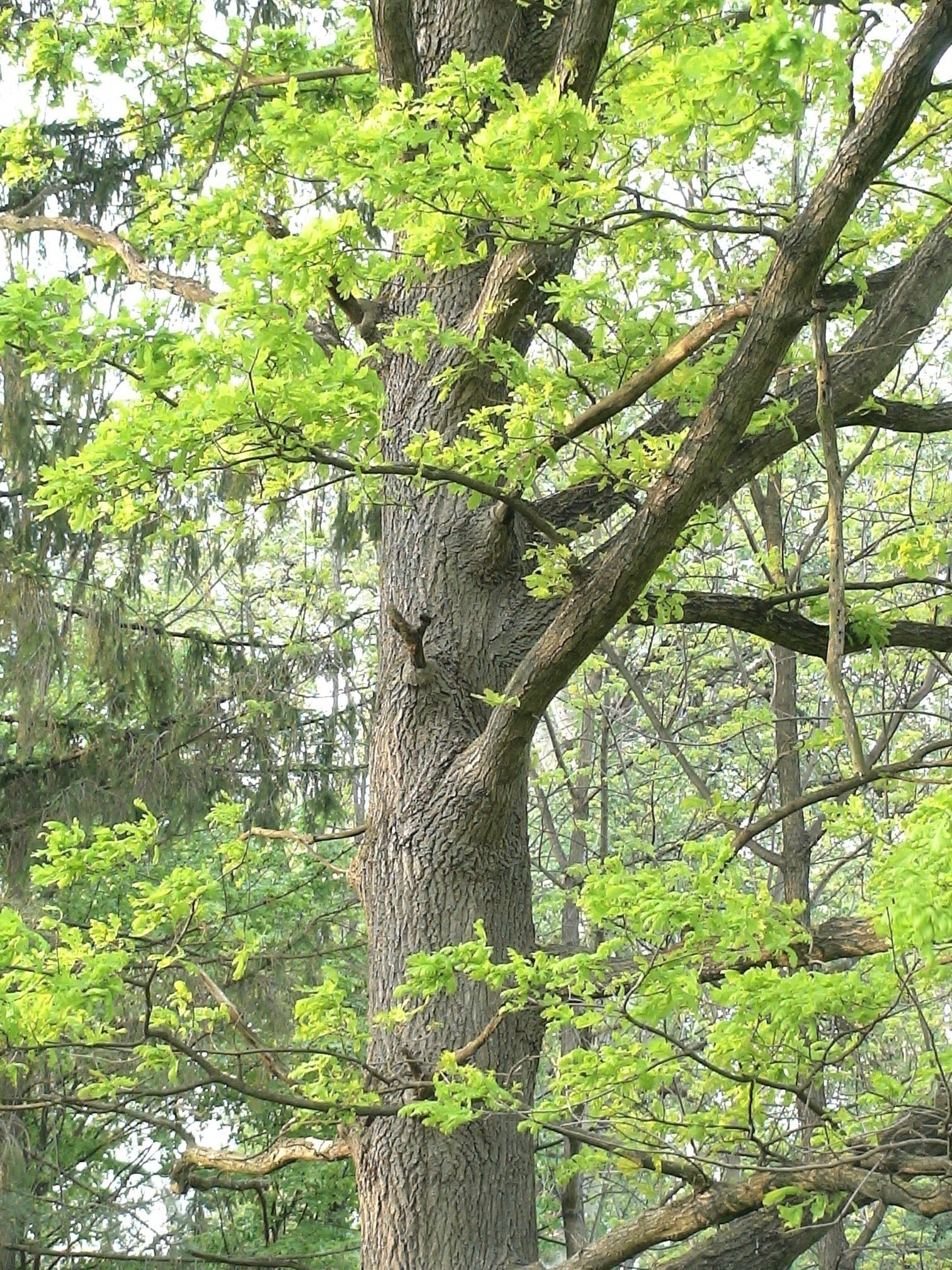
The tree layer includes pedunculate oak (Quercus robur), common hornbeam (Carpinus betulus), small-leaved linden (Tilia cordata), maple (Acer campestre), white poplar (Populus alba) and black poplar (Populus nigra), with admixtures of other species, mainly white willow (Salix alba), linden (Ulmus laevis), field ash (Fraxinus angustifolia), lowland elm (Ulmus minor) and black alder (Alnus glutinosa).
The broadleaves introduced into the Forest-park are related to Euro-American poplars that occupy a significant part of the area (Populus canadensis, P. serotina, P. marilandica, P. robusta), black locust (Robinia psudoacacia), black walnut (Juglans nigra), plane tree (Platanus acerifolia), horse chestnut (Aesculus hyppocastanum), field ash (Fraxinus angustifolia), maple (Acer platanoides) have also been planted.
Most broadleaves have adapted well, so that good natural regeneration from seeds is also observed. Conifers such as swamp taxodium, Norway spruce and Scots pine (Taxodium distichum, Picea abies, Pinus sylvestris) have also been planted in this area.
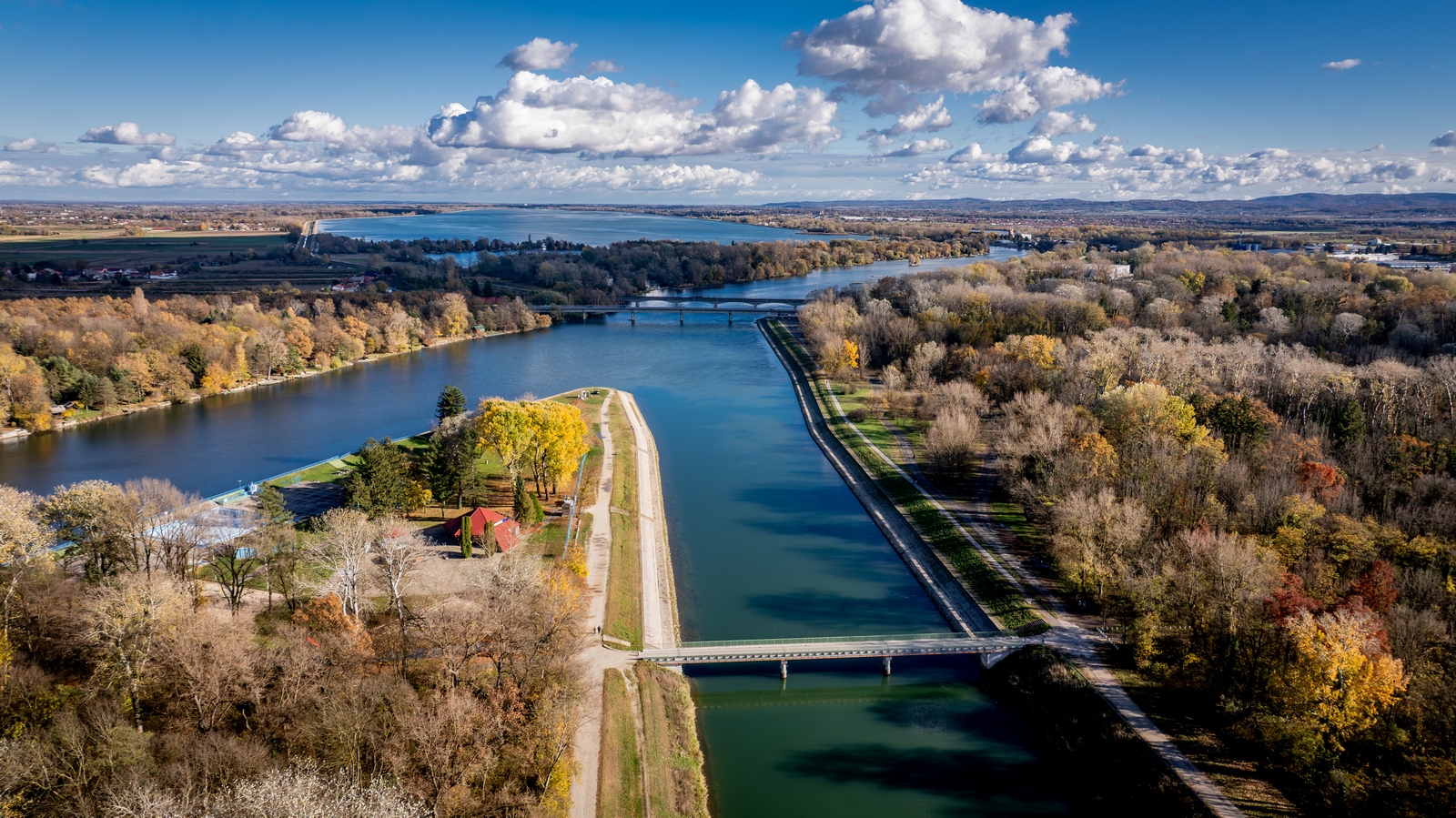
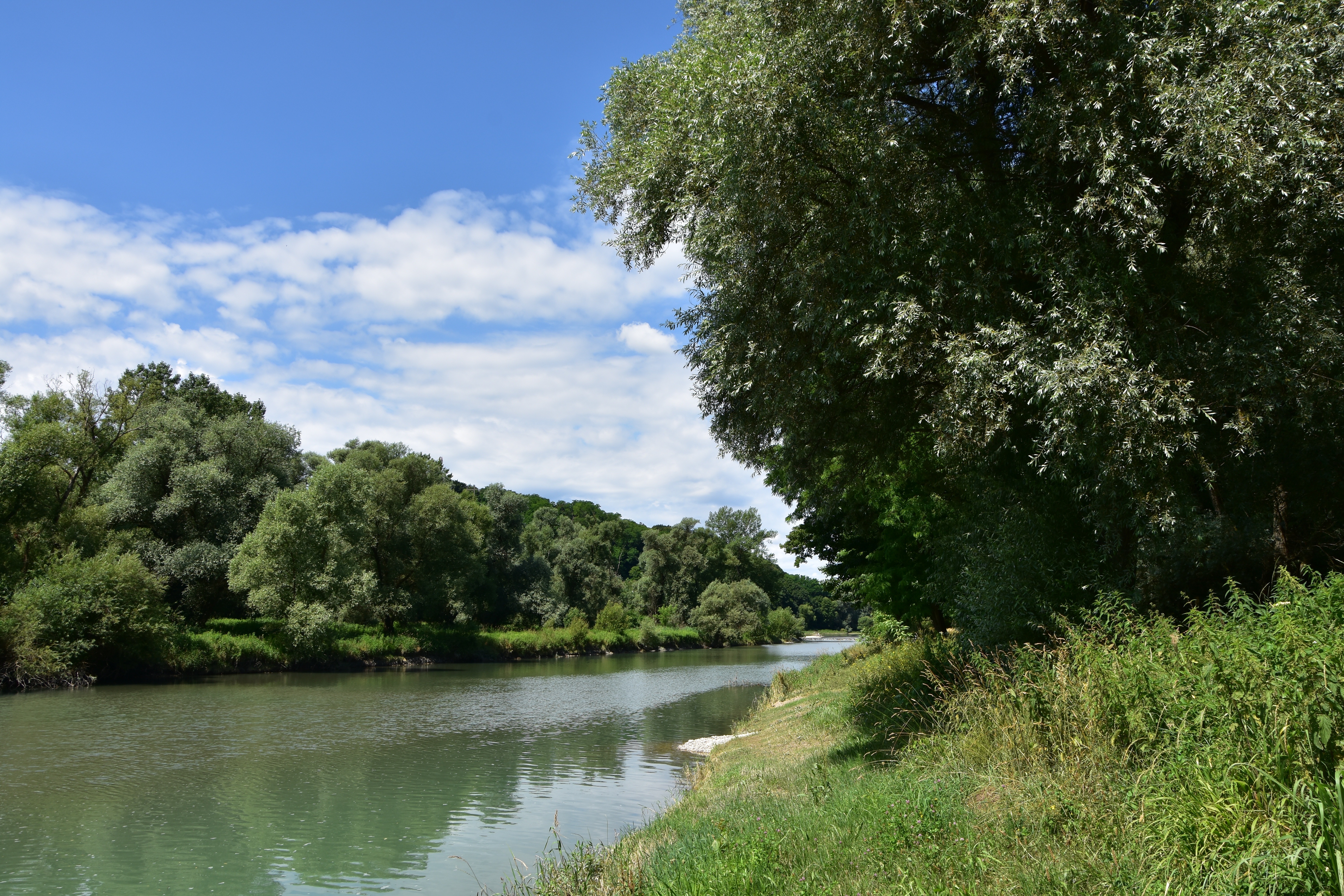
Rivers have always been a source of life and a gathering place for many species. The Drava River forms the border of the Drava Forest-park on the northern side, and the water of the drainage canal of the Varaždin HPP cuts it into two parts. The main body of the Drava River in this zone is calmer, and the former dynamics that changed the morphology of the environment are no longer present.
Although the former characteristics of the Drava River flow in this area have been significantly changed due to the construction of the HPP system, the remaining parts of the old riverbed between the reservoirs are still adorned with great biological and landscape diversity.
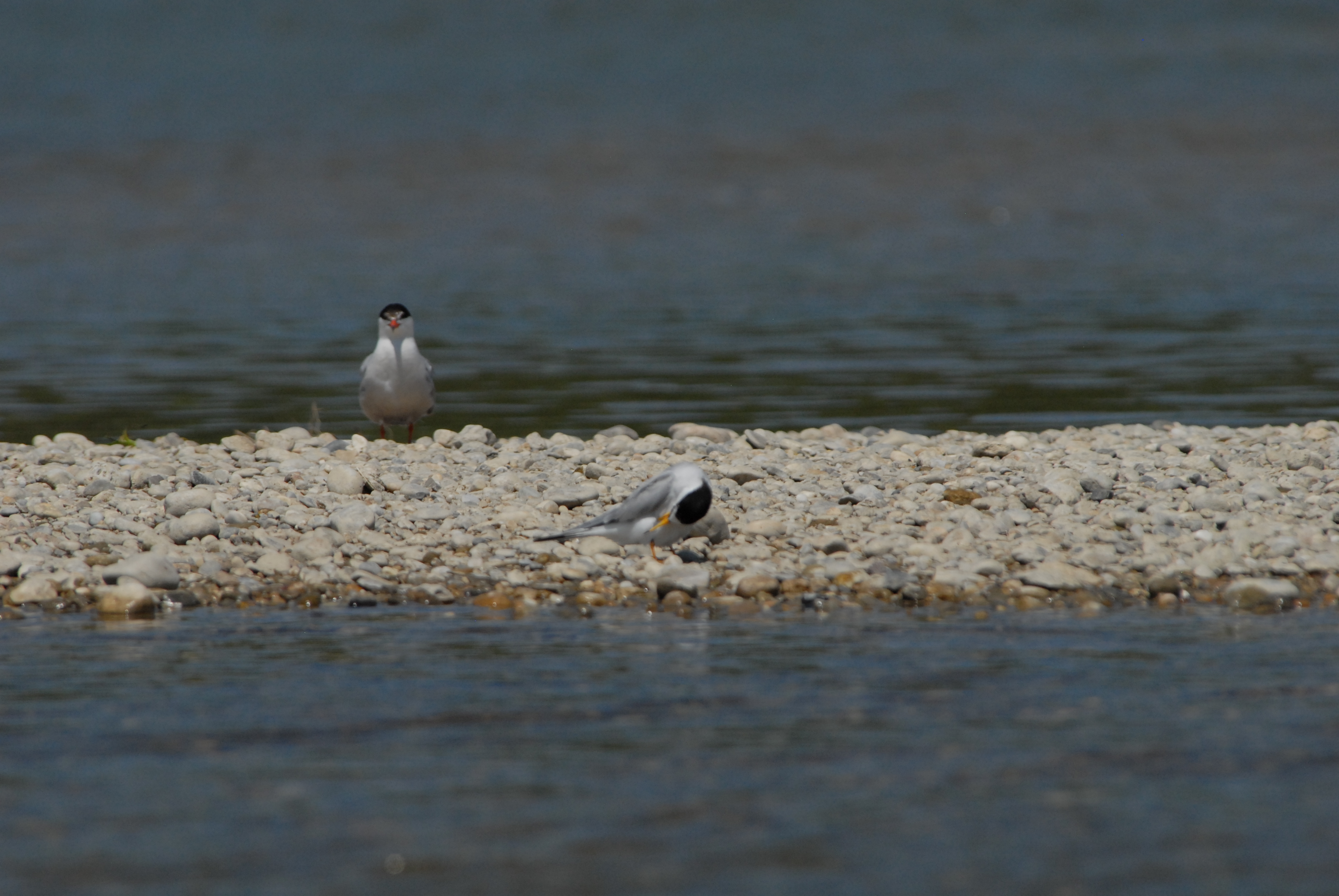
The bird fauna of the Croatian part of the Mura-Drava-Danube Biosphere Reserve is numerous, with more than 200 species recorded along the Drava in Varaždin County alone. The Drava is home to the largest number of breeding pairs of the white-tailed eagle in continental Europe, as well as other endangered species such as the red-billed tern and the black stork. The gravel and sandbanks of the Drava are one of the last breeding areas for the endangered little tern in continental Europe, while several thousand pairs of sandpipers nest in the steep banks.
The Drava area is also important for the amphibians red-footed booby and Danube newt, and is also a habitat for the pond turtle. The Drava is also the river with the most diverse fish fauna in the Republic of Croatia, and the Drava habitats in this area are also important for species such as the beaver and the otter.
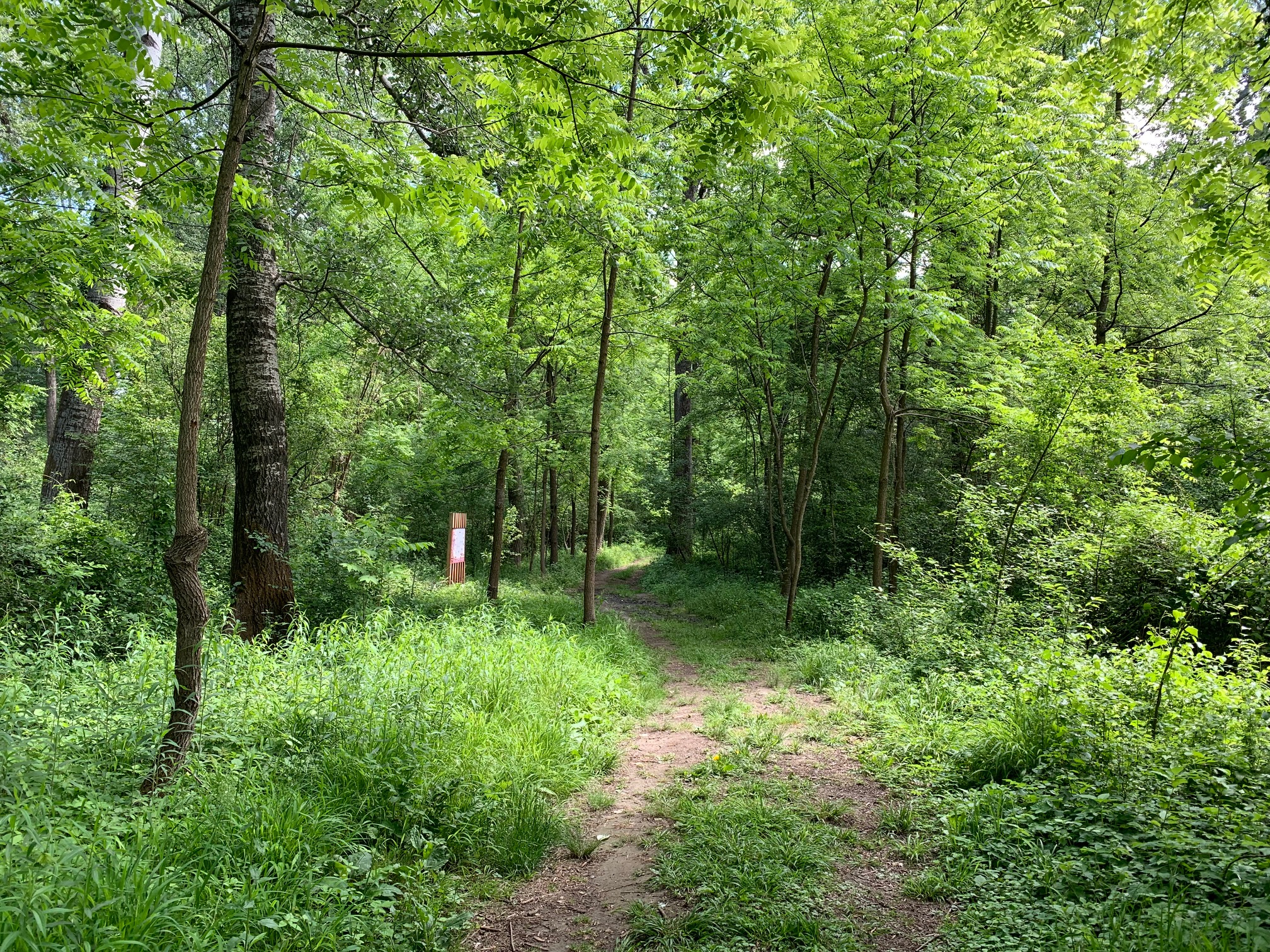
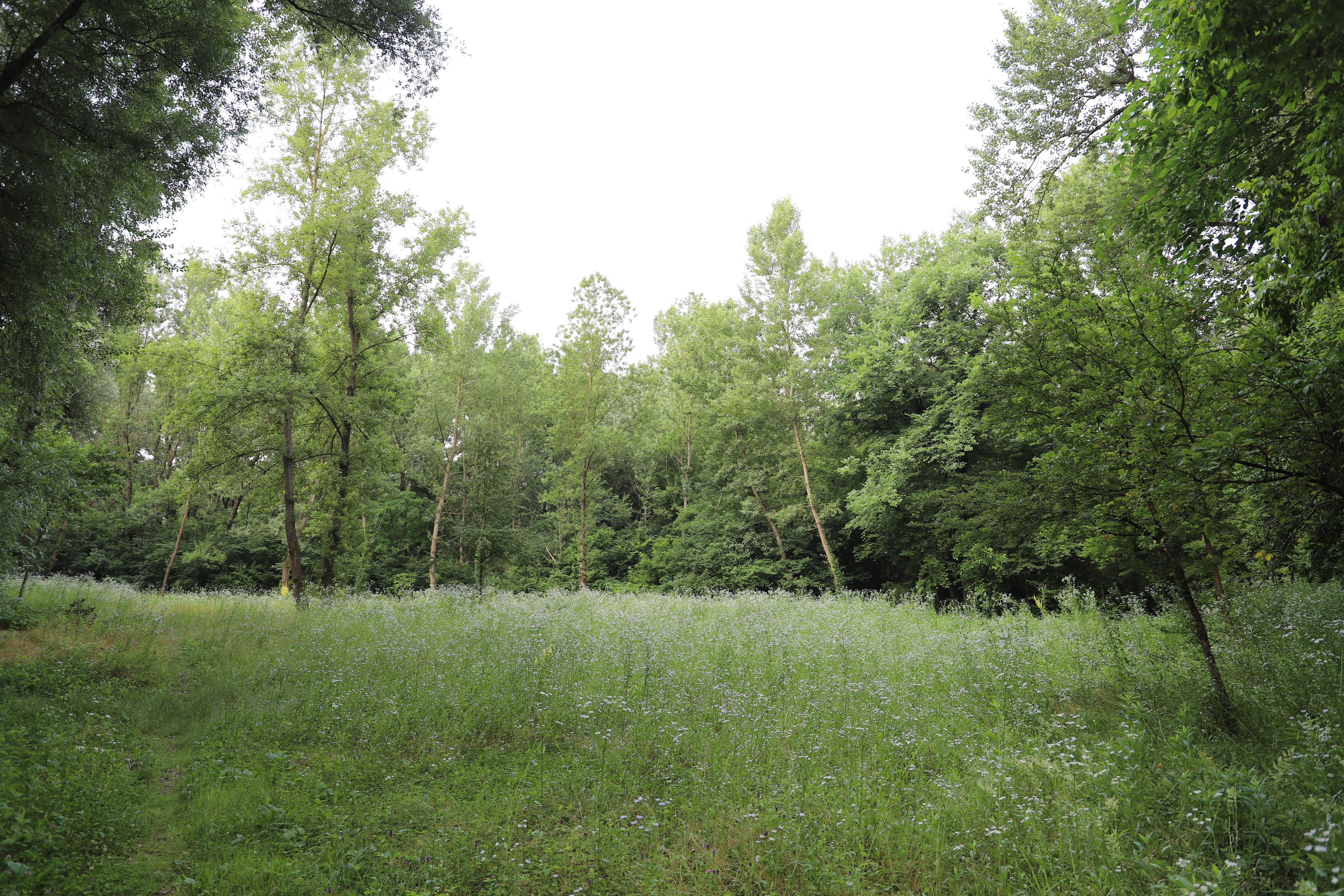
In the Forest-park area there are also two non-forest areas (forest clearings), a smaller one in the northwestern part of the forest and a larger one in the southeastern part of the forest, which are used for sports and recreation. You will find the clearing in the northwestern part of the forest by following the path with educational elements, walking among the tall trees and the thickets of the Drava forest.
The forest clearings are partly overgrown and horticulturally arranged, today also somewhat overgrown with vegetation that has reduced the open space. They are dominated by grassland plants: Dactylis glomerata, Poa pratensis, Knautia drymeia, Trifolium pratensis, T. repens, Gallium mollugo, Colchicum autumnale, Taraxacum officinale, Ranunculus acer. In addition to plant species, there is also a whole range of invertebrates, birds and mammals to which the forest clearing provides food, shelter or a place to nest. With the cessation of regular mowing, the forest clearing would first become overgrown with shrubs, and then with trees. This would eliminate its characteristic biodiversity and the forest would take its place again.
In the recent past, until the construction of the Varaždin hydroelectric power plant, the area of today's Forest-park directly communicated with the Drava River as a complete complex of terrestrial and aquatic habitats, which is no longer the case today. The forest area contained a large number of water bodies, i.e. Drava backwaters and ponds, which also resulted in a significantly greater diversity of fauna than today. This is confirmed by the few studies of the fauna of the Drava belt near Varaždin (Jurinac, 1884. Lukač, 1988).
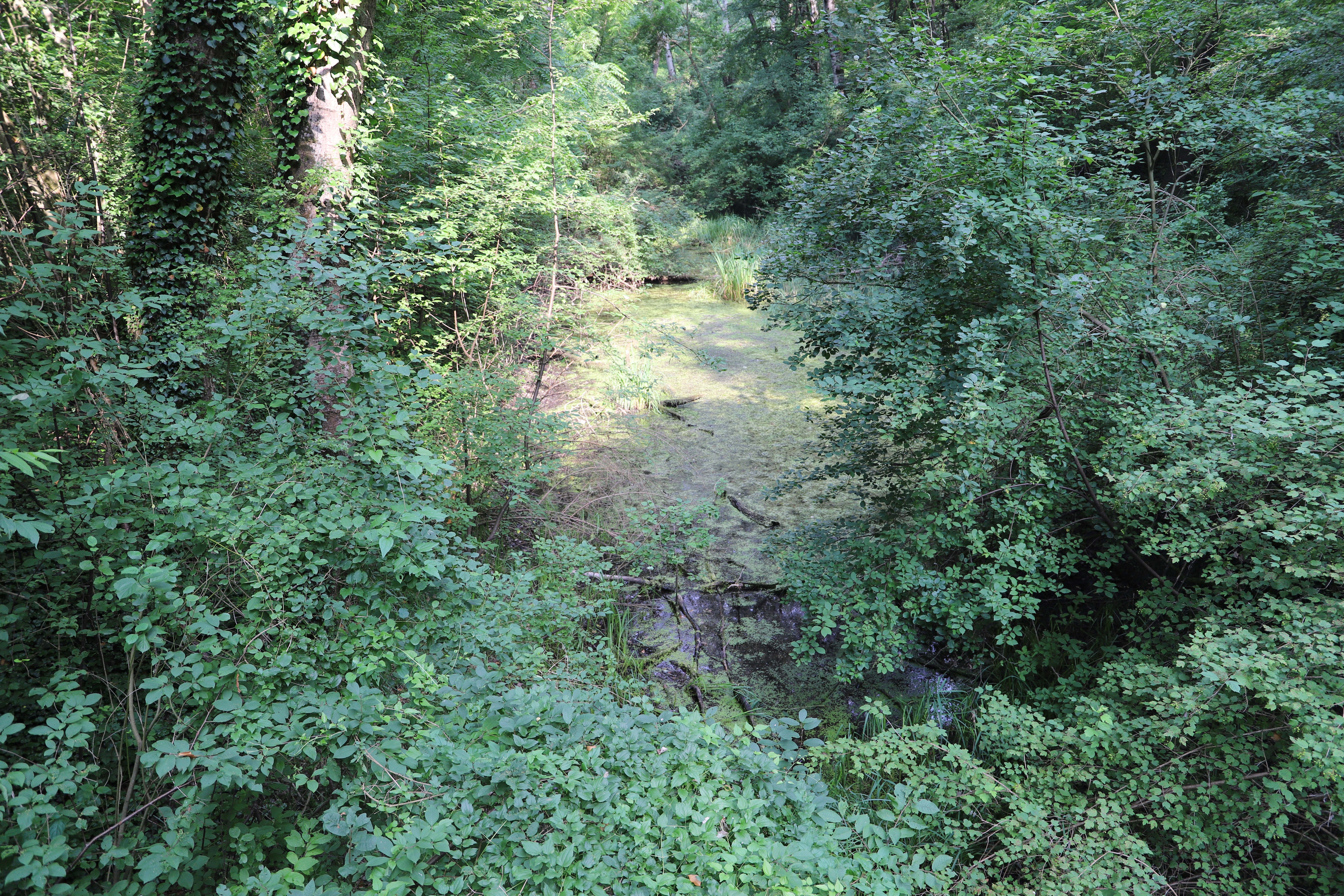
To date, all water bodies in the forest have been drained or filled in, except for the artificially created lake in the northwestern part of the Forest-park, which has gradually turned into a pond. This pond is the last remaining refuge for species that have disappeared from other parts of the Drava Forest-park due to the drying out and filling of their habitats (barn snails, dragonflies, amphibians, reptiles). Above the pond, a small lookout has been arranged today, offering an interesting view of the surrounding forest vegetation and the pond itself.