

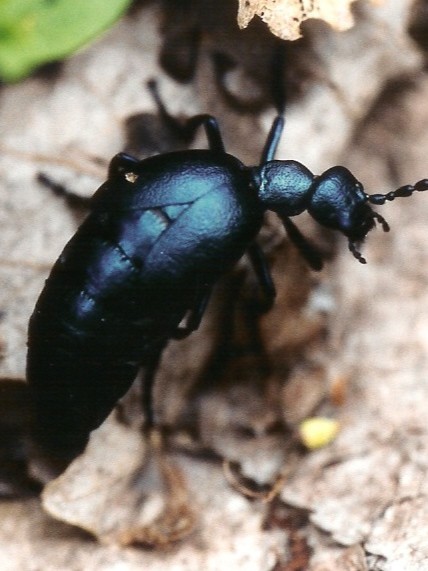
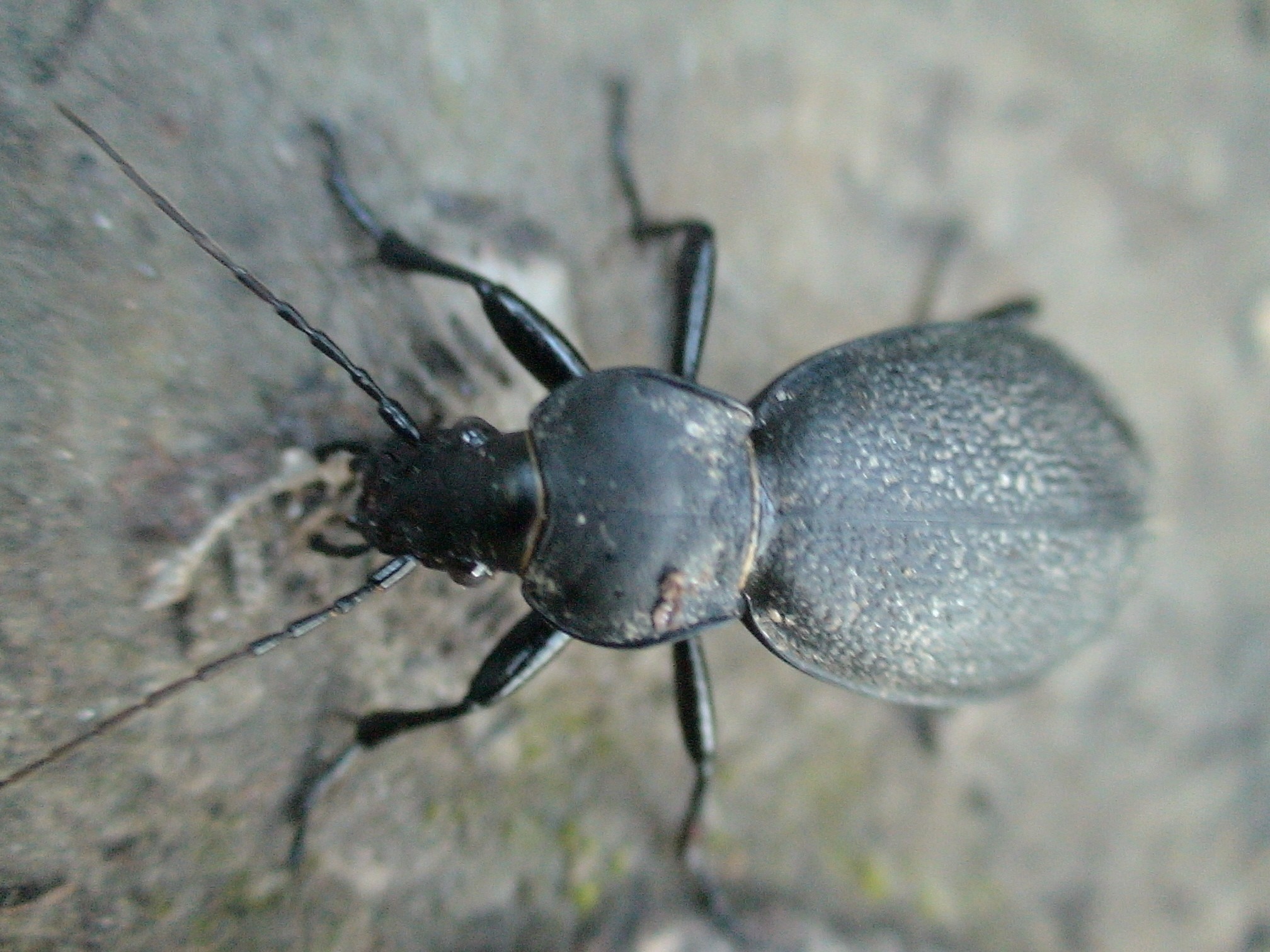
Tijekom čitave godine u Park-šumi se može promatrati raznolika fauna. Zimi se u ogoljelom grmlju i krošnjama drveća mogu vidjeti različite vrste ptica, kao što su velika sjenica, plavetna sjenica, dugorepa sjenica, brgljez, zelendur, veliki djetlić, crvenoglavi djetlić, palčić, kos, drozd bravenjak, šumska sova, mala ušara, šojka i dr. U proljeće se u većem broju pojavljuju i druge vrste. Od kukaca se na šumskim stazama često može naići na kokicu i kožastog trčka, a često se susreću bumbari, vretenca, zaštićeni leptir modra prelijevalica i druge vrste.
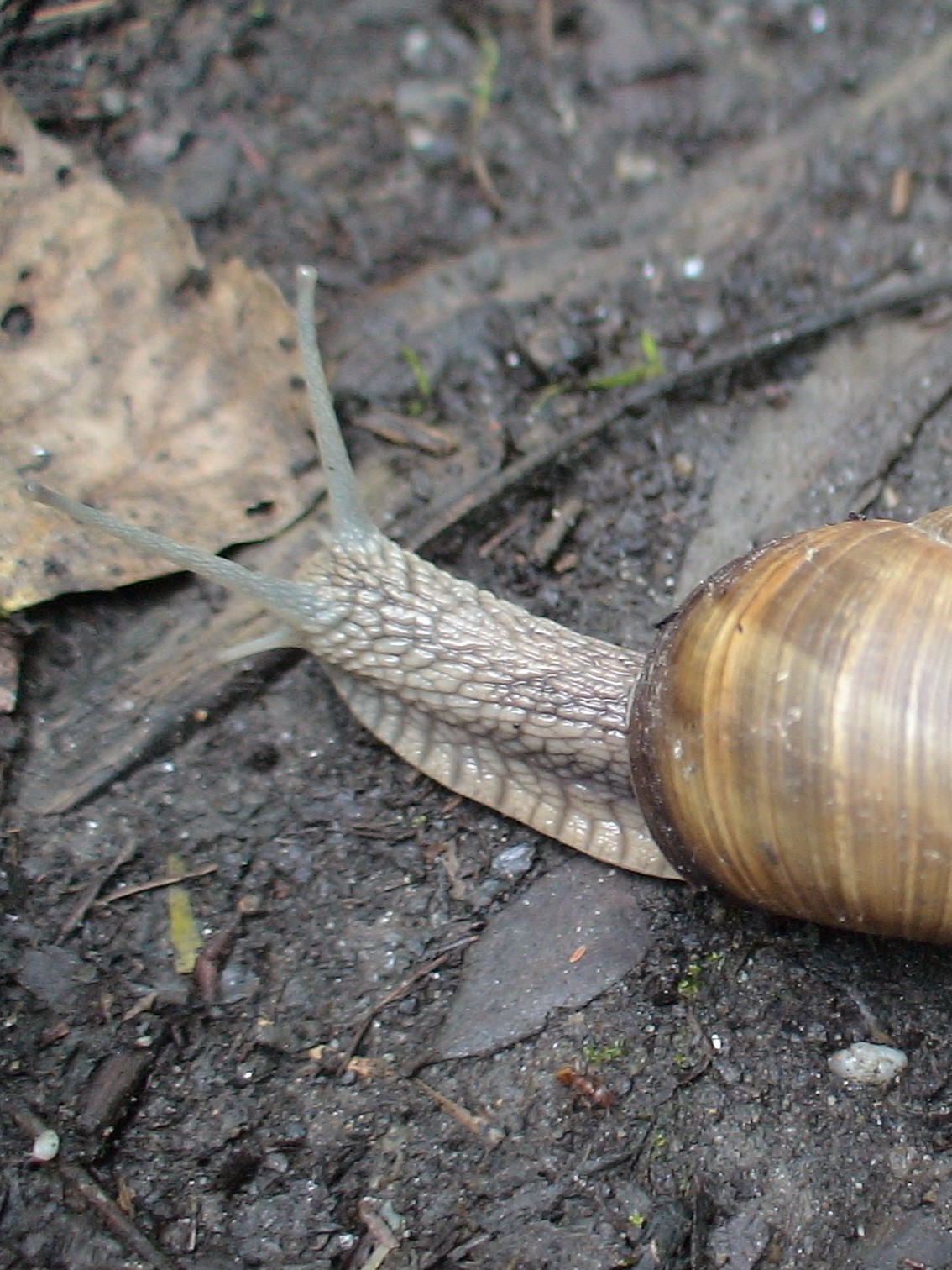
U proljeće se u Park-šumu vraćaju ptice selice, a s njima i bogatstvo ptičjeg pjeva, koje u šumskom okruženju pruža poseban doživljaj. Drugu polovicu lipnja u Park-šumi obilježava iskričavo svjetlucanje gustih rojeva ivanjskih krijesnica u doba parenja, koje je najizraženije u sumrak. Nerijetko se na šumskim stazama može naići na zaštićenog beznogog guštera sljepića, puža vinogradnjaka, a ponekad i na zaštićenu smeđu krastaču. U Park-šumi obitava i populacija vjeverica te znatno rijeđi puh orašar, čiji opstanak neposredno ovisi o gustom sklopu grmlja u kojem podiže podmladak i nalazi svu raspoloživu hranu.
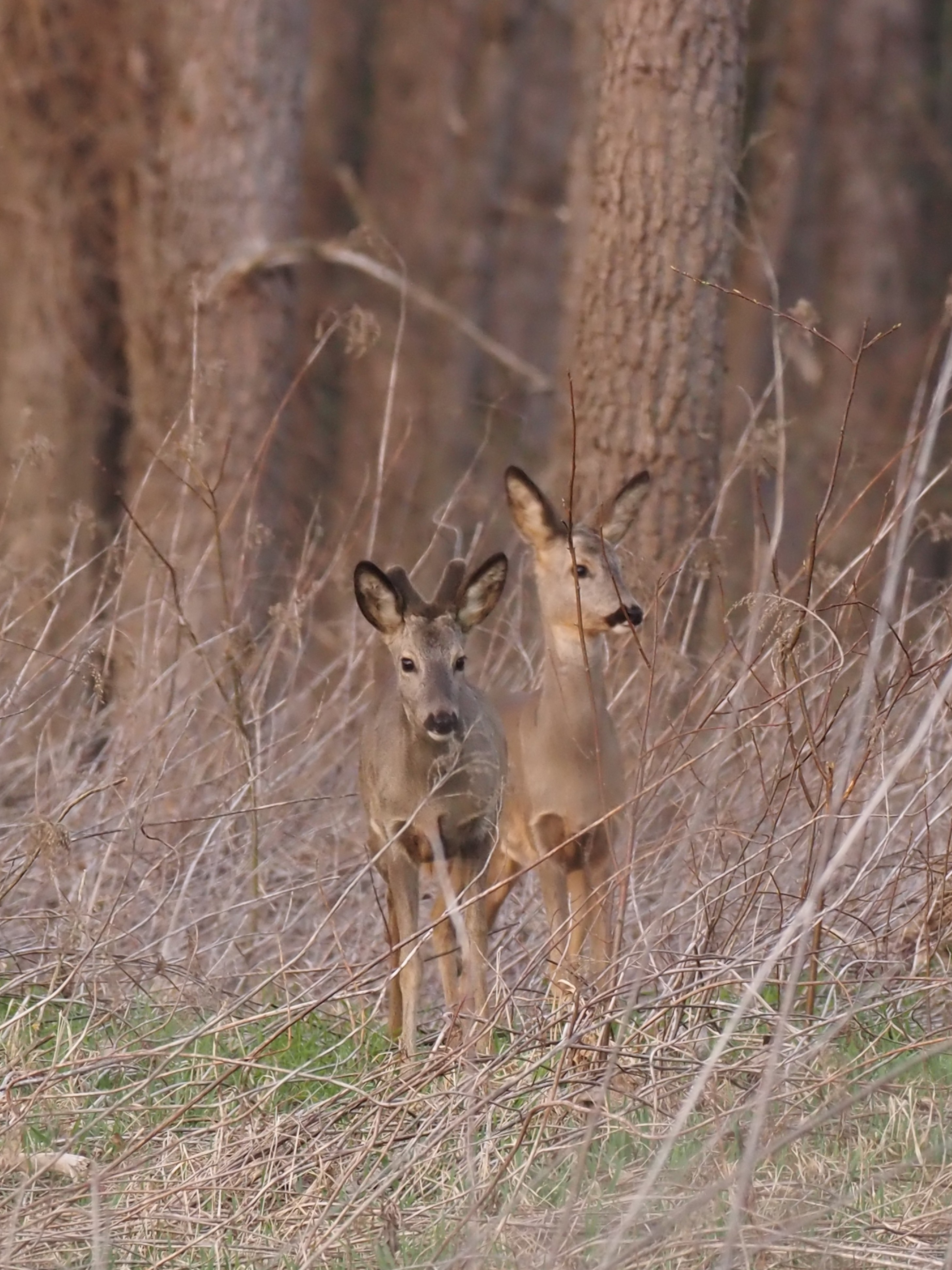
Grmlje je zaslužno i za raznolikost ptičjeg svijeta Park-šume. U grmlju gnijezde, prezimljuju i njegovim se plodovima prehranjuju brojne ptice: slavuj, crvendać, zeba, zelendur, dugorepa sjenica, kos, crnokapa grmuša, pjegava grmuša, žutoglavi kraljić i dr. Zahvaljujući gustom grmlju u Park-šumu često zalaze i srne.
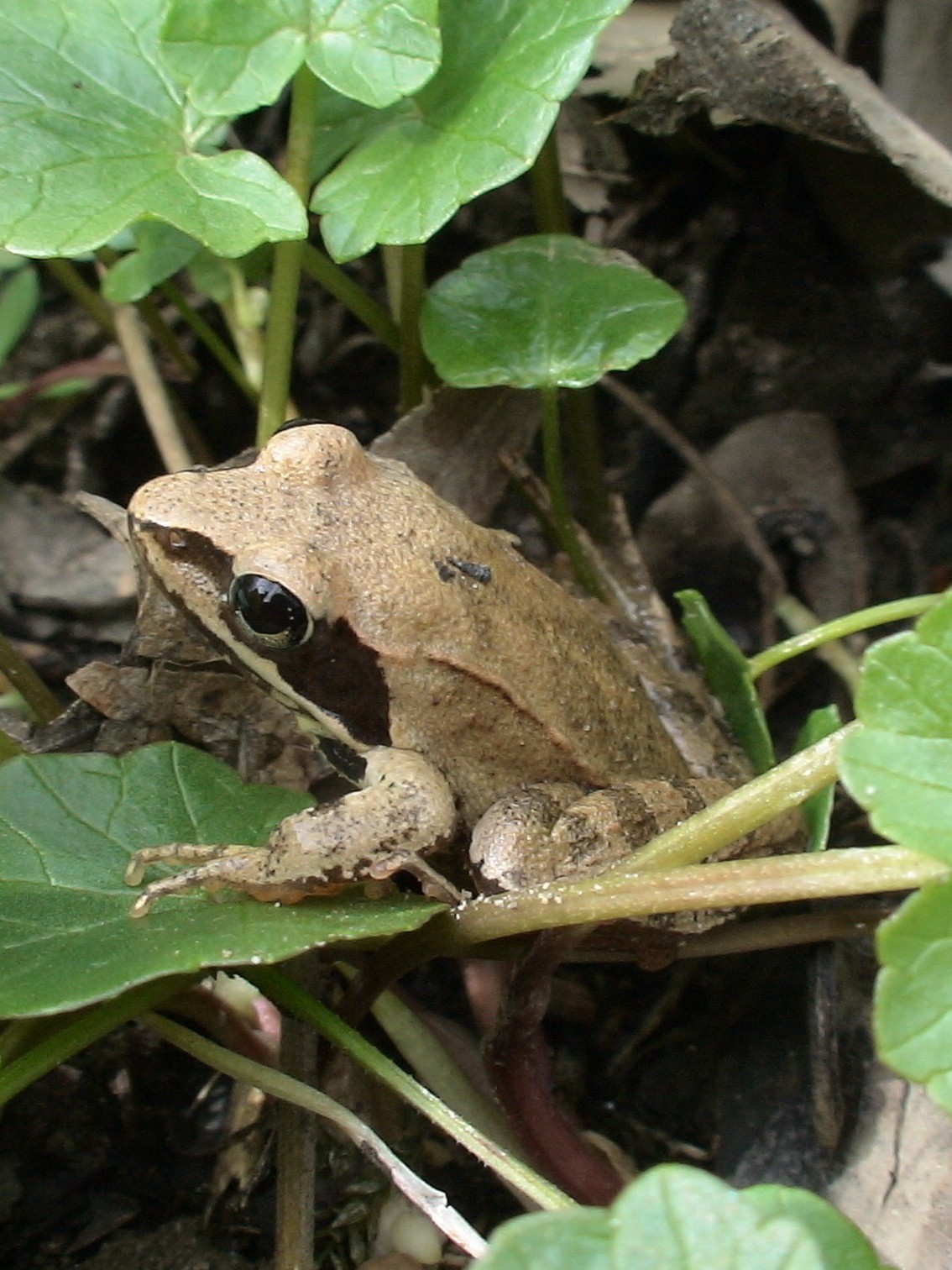
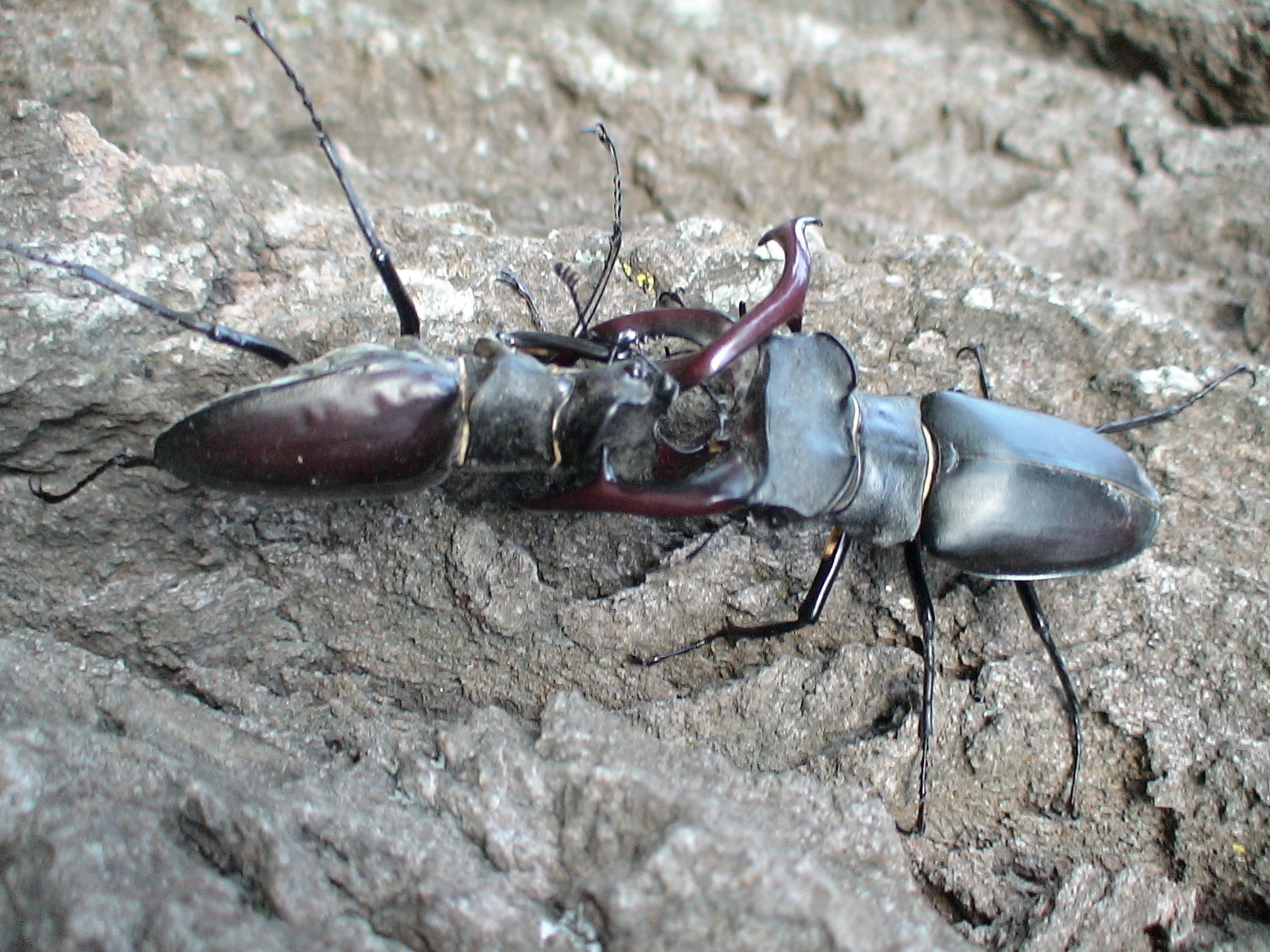
Golemi kukci jelenci još se mogu naći u preletu ili u borbi na deblima starog drveća, upravo zahvaljujući starosti šume i stupnju očuvanosti biocenoze. Crna žuna također je pokazatelj očuvanosti biocenoze Park-šume jer za svoje stanište bira samo stare, prirodne šume, a u Dravskoj park-šumi stalan je stanovnik. Jedina šumska bara atraktivno je stanište ugroženih vodozemaca i gmazova, među kojima su šumska smeđa žaba, smeđa krastača, zelena krastača, bjelouška i ribarica.

Koliko je životinjskih vrsta u parku?
Na području Park-šume ukupno je zabilježeno više od 120 životinjskih vrsta, od kojih se više od polovice vrsta odnosi na beskralježnjake (prevladavaju kukci), dok se druga polovica odnosi na kralježnjake (najbrojnije su ptice s preko 30 vrsta). Sveukupna raznolikost životinjskog svijeta Park-šume obuhvaća znatno veći broj vrsta (sigurno više od 500 vrsta), što je moguće utvrditi jedino ciljanim istraživanjem sastava faune (posebice entomofaune i ornitofaune).
Dravska šuma stanište je i vrstama koje se nalaze na listama ugroženih vrsta Europe (EU Direktiva o staništima, EU Direktiva o pticama), odnosno na listi globalno ugroženih vrsta (IUCN).
Galerija faune parka-šume uz Dravu


 Dravoznalac